You click “confirm purchase”, end the relationship, send the resignation email. Your finger hesitates half a second, then… done. On the surface, nothing dramatic happens. You close the laptop, go back to your day, half-proud of being so “rational”.
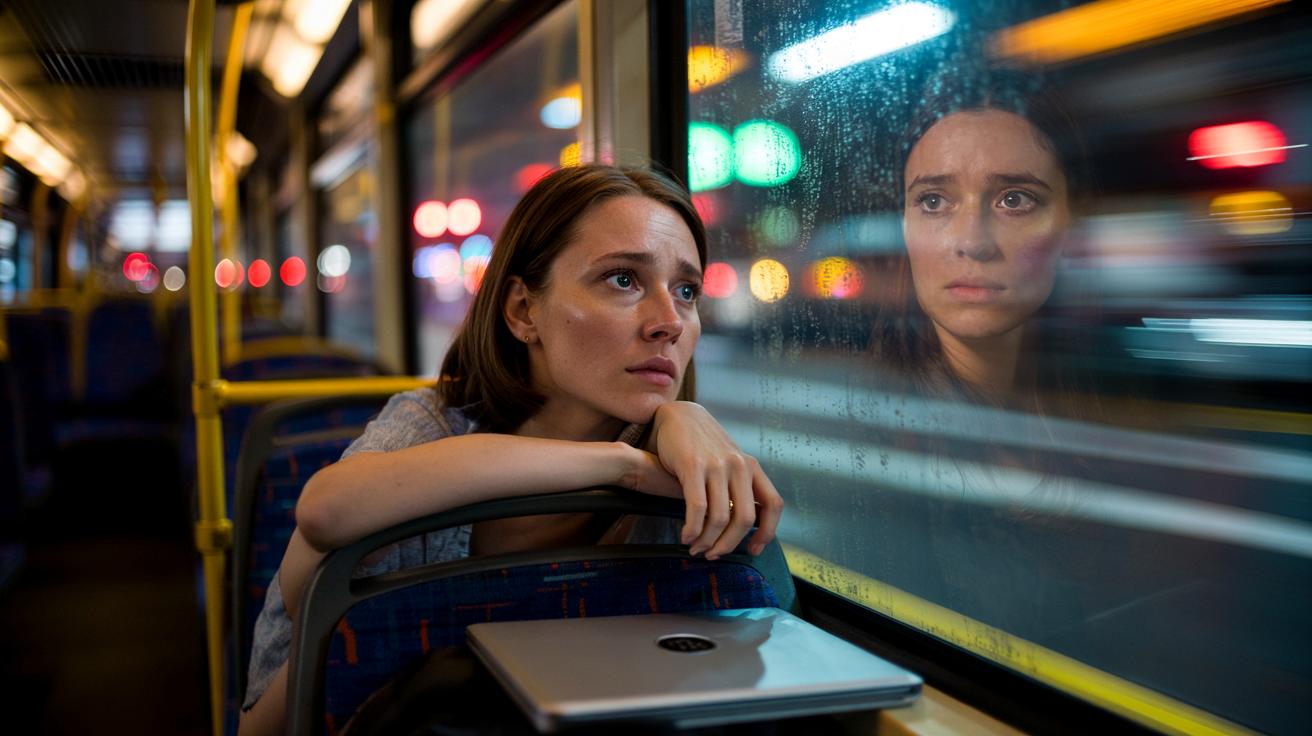
And then, two days later in the shower, or alone on a bus, a wave hits. A tight chest, a flash of panic, maybe even tears. You replay the moment, ask yourself if you were crazy, feel the echo of something you thought you’d already processed.
The decision is old. The emotion is brand new.
Strange how the body keeps its own calendar.
When feelings show up late to the party
You’d think emotions would appear right when things happen. You end something, you cry. You get good news, you smile. That’s the neat version we like to imagine. Real life is messier.
Often, we act first and feel later. The mind rushes through a choice, driven by deadlines, pressure, logic. The emotional system tags along behind, slower, a bit stubborn, processing every detail long after the last email was sent.
There’s a delay between decision and impact. That gap is where late emotions live.
Take Laura, 34. She finally left a job that had burned her out for three years. She negotiated her exit, cleaned her desk, joked with colleagues. On her last day, she felt surprisingly light. Free, even. She wondered why people said quitting was so emotional.
A week later, standing in the supermarket comparing yogurts, she froze. Heart racing, eyes suddenly wet, she had the urge to run. It wasn’t about dairy. It was her brain, finally fully understanding: “We’re not going back. That part of life is over.”
The decision had been made days before. The emotional bill arrived quietly among the grocery aisles.
➡️ “I cook this dish slowly because rushing it never works”
➡️ The budgeting mistake people make after paying off debt
➡️ I cooked this creamy dish and didn’t feel the need to adjust it
➡️ This simple cleaning boundary changed how my home feels
➡️ This creamy one-dish meal is ideal when you don’t want leftovers piling up
➡️ This overlooked habit affects how your body handles stress
➡️ If you struggle to unwind after screens, this eye-relief trick helps
➡️ This haircut is recommended for women over 60 who want softness without losing shape
Psychologists talk about “emotional processing time”. The brain has multiple systems working at different speeds. One is fast, verbal, efficient: “This job is toxic, I should leave.” The other is slower, body-based, wired through past experiences. It asks, “What does this change mean for who I am?”
The fast system makes the choice. The slow one digests it. That lag often explains why you can be calm at the hospital and then fall apart at home, or stay composed during a breakup and cry months later over a song in a café.
The feeling isn’t late. It just arrives on its own schedule.
How to live with decisions that only hit you later
There’s a simple practice therapists love: give your future self a chair at the table. Before a big choice, sit down somewhere quiet and imagine yourself three months from now, not just today. Where are you? What are you doing that day? What does your body feel like when you wake up?
Then ask that imagined future-you what they think of the decision sitting in front of you. Not as a vision board fantasy, more like a check-in with someone who already lives with the consequences.
This little time-jump doesn’t remove late emotions. It just makes them easier to recognize when they show up.
Most of us do the opposite. We decide under pressure, then judge ourselves harshly when the emotional echo arrives. “If I’m this sad, it means I chose wrong.” Not necessarily. Grief can follow a very healthy choice. Relief can appear after a risky one. The brain doesn’t file emotions under “good decision” or “bad decision”. It files them under “loss”, “change”, “threat”, “freedom”.
Let’s be honest: nobody really runs a full emotional check-up before every decision. We’re tired, we’re busy, we just do our best and move on. That’s human, not a failure.
Sometimes your delayed feelings are not a verdict on your choice, they’re proof that you finally feel safe enough to react.
- You leave a controlling relationship and only months later start having angry outbursts.
- You move to another country and cry the first time you can’t find your usual brand of bread.
- You accept a promotion and feel a wave of anxiety the first quiet weekend with nothing urgent to fix.
- You cut contact with a parent and unexpectedly miss the small rituals, not the person.
- You quit drinking and feel lost at night, not from craving alcohol, but from missing your old coping mechanism.
Living with the echo instead of fighting it
If you start paying attention, you notice a pattern. The late emotion often emerges when things slow down. In the shower, on a train, scrolling in bed at midnight. Moments when your “efficient” brain finally loosens its grip and the rest of you can speak up.
You don’t have to fix that feeling on the spot. You don’t have to spin a story around it. You can just name it calmly: “Ah. This is my body catching up with my choice.” That tiny sentence creates space between the decision and the drama.
*Recognizing the delay is already a form of self-respect.*
Some people read that as a sign they should never rush anything again. Sounds nice on paper, impossible in life. Deadlines don’t wait, relationships are messy, money is real. You will still have to choose under pressure.
What changes is what you do after. You can schedule a kind of “emotional debrief” a few days or weeks later. A walk without headphones, a page of messy writing, a talk with a trusted friend. Not to reopen the choice, just to meet the feelings that arrived late to the meeting.
You don’t betray your past self by feeling differently with time. You complete them.
Some plain truths are uncomfortable and strangely soothing at the same time. One of them is this: **clarity often comes dressed as discomfort**. That punch in the gut when you realize a friendship won’t go back to what it was. That hollow feeling in a quiet apartment after moving out. That wave of doubt on Sunday night before a new job.
“The body keeps the score,” wrote psychiatrist Bessel van der Kolk about trauma, yet the same is true for everyday choices. Your nervous system doesn’t read contracts or emails. It reads safety, repetition, belonging.
- Notice the context — When did the emotion appear? What were you doing, or not doing?
- Label gently — “This feels like grief / fear / anger / relief,” instead of “This means I’m a failure.”
- Stay with it for 90 seconds — many emotional waves peak and soften in under two minutes if you don’t fight them.
- Resist rewriting history — a strong feeling now doesn’t prove the past decision was wrong.
- Ask one simple question — “What does this emotion want me to pay attention to today?”
The quiet intelligence of late emotions
Once you stop seeing delayed emotions as a glitch, they start to look like information. Not a verdict on who you are, not a cosmic sign you chose badly, just data from a slower part of your inner world.
That sadness that hits a month after leaving your city might be telling you you value roots more than you admitted. The relief that arrives long after a breakup can signal how much energy you were spending pretending everything was fine. The anxiety you feel weeks into a promotion might highlight an old belief about not being “allowed” to succeed.
You don’t have to psychoanalyze every wave. You can simply treat late emotions like follow-up emails from your nervous system. Some you answer, some you archive, some you flag for later conversation or therapy. **The goal isn’t to stop feeling late, it’s to stop feeling lost when you do.**
If you’ve been haunted by emotions that show up long after the choice is made, you’re not weak, or broken, or indecisive. You’re just built with a brain that moves at different speeds in different layers. And that delayed “hit” you keep resenting might be the very thing that teaches you how you truly want to live next time a big decision sits in front of you, waiting for your hand on the mouse, your name on the line, your quiet yes or no.
| Key point | Detail | Value for the reader |
|---|---|---|
| Emotions have a delay | The brain’s fast decision system acts before the slower emotional system has processed the change | Relieves guilt or confusion about “late” reactions |
| Late feelings don’t equal bad choices | Grief, fear, or doubt can follow healthy decisions because they involve loss or identity shifts | Helps avoid impulsively undoing good decisions just to escape discomfort |
| You can plan for the emotional echo | Using future-self checks and post-decision debriefs creates space for delayed responses | Gives a practical way to feel more grounded and less blindsided |
FAQ:
- Why do I feel nothing when I decide, then fall apart days later?Your brain often prioritizes “getting through” the moment first. The emotional system waits until there’s enough safety and space to process the real impact, so feelings surface later.
- Does a strong late emotion mean I made the wrong choice?Not automatically. Late emotions usually signal loss, change, or old wounds, not the objective quality of your decision.
- How can I tell the difference between regret and normal grief?Regret pulls you toward undoing the decision. Grief acknowledges the loss but still recognizes that the choice aligns with your deeper values or needs.
- What can I do when a delayed emotion feels overwhelming?Slow your body first: breathe deeply, move, drink water. Then name the feeling in simple words and, if needed, talk it through with someone or a therapist.
- Can I prevent these delayed reactions completely?Probably not, and that’s okay. You can reduce the shock by checking in with your future self and planning small spaces to feel, but some emotional delay is simply how humans work.