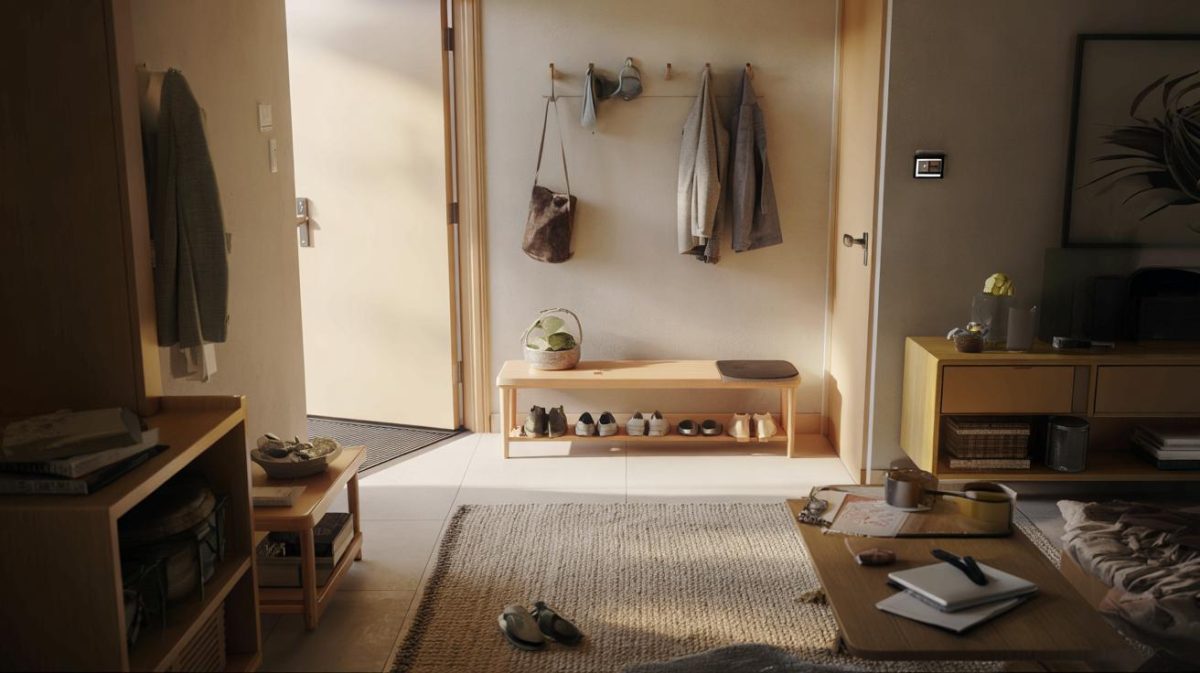
Saturday, 7:12 a.m.
Your alarm is off, but your eyes snap open anyway. Your brain is already scrolling a mental checklist: groceries, laundry, birthday drinks, that email you “should probably answer quickly”. You stare at the ceiling, already tired, while technically the day hasn’t even started.
By 6 p.m. you’ve crossed half the list, moved between three different places, smiled through small talk, and answered at least ten “what are you up to this weekend?” messages. You drag yourself back home, your body heavy and your head buzzing.
Sunday feels rushed and slightly guilty. There’s a pressure you can’t quite name.
Something in this routine is quietly draining you.
The hidden weekday habit that ruins your weekend
There’s a boring, almost invisible routine that explains why weekends feel like a marathon: we treat them like unpaid overtime for our weekday life.
All the tiny tasks we postpone from Monday to Friday don’t disappear. They pile up in a corner of our brain, waiting patiently for Saturday morning.
So the weekend becomes a catch-up zone.
You’re not resting, you’re reorganizing the chaos of the week. The body is at home, yet the mind is still on duty. That’s why Sunday night feels strangely similar to Wednesday afternoon.
Picture a normal week.
You get home late, scroll for half an hour, tell yourself you’ll “do the dishes properly tomorrow”, leave that bill unopened, and ignore the basket of clean clothes. Not dramatic. Just… postponed.
By Saturday, you’re facing a wall of micro-decisions. What to clean first. When to visit your parents. Whether you can afford that dinner out. When to answer the WhatsApp group. None of this is tragic, but the stack of minor choices drains the exact energy you hoped to recover.
The weekend didn’t exhaust you.
The backlog did.
Psychologists have a name for this creeping fatigue: decision fatigue and cognitive load. During the week, your brain spends hours switching between tasks, answering messages, showing up to meetings, solving little fires. Instead of closing loops as you go, you push them forward.
Your nervous system never gets a true “off” signal.
When Saturday finally arrives, it doesn’t interpret it as a break, but as “open season” for all the tasks it was holding in the background. Rest and recovery need predictability. Weekends often give the opposite: compressed, unstructured obligation.
➡️ “I cook this dish slowly because rushing it never works”
➡️ “I felt financially anxious despite earning $72,000 a year”
➡️ “I stopped cleaning blindly once I learned where dirt really settles”
➡️ The budgeting mistake people make after paying off debt
➡️ This simple cleaning boundary changed how my home feels
➡️ People who feel emotionally alert at rest often expect interruption
➡️ Psychology explains why emotional clarity can appear suddenly, without effort
➡️ This overlooked habit affects how your body handles stress
So you end up exhausted, not because you did “too much fun”, but because you reproduced your weekday mental rhythm in a different outfit.
How to change the script before the weekend even starts
The real shift begins on Thursday. Not Saturday morning, not Sunday night. Thursday.
That’s the day you quietly renegotiate your deal with the weekend.
Take ten minutes and write down every single thing buzzing in your head for the next three days. From “buy detergent” to “call grandma”, everything goes on paper or in a notes app. Then pick just three non-negotiable tasks for the weekend. Only three. Everything else becomes “optional” by default.
This tiny pre-weekend ritual does something powerful: it tells your brain that the weekend has a shape. Uncertainty is far more exhausting than effort.
A friend of mine, Sofia, used to say every Friday, “This weekend I’ll finally catch up on everything.”
By Sunday night she was half-done with errands, annoyed with herself, and already stressed about Monday. She felt like she was constantly failing at both resting and being productive.
One month, she tried something different. Every Thursday, she’d decide: one social moment, one home task, one personal thing just for her. That was it. No heroic agenda. She still did other small things when she felt like it, but the emotional bar was lower.
Within three weekends, her Sunday evenings went from “I wasted it” to “That was enough.”
Here’s the plain truth: most of us treat the weekend like it has to fix an entire life.
Clean the flat, fix the relationship, see everyone, reset your diet, catch up on sleep, start a hobby, watch that series, do the admin, organize the closet, be spontaneous, but also productive. No wonder your nervous system waves a tiny white flag by Sunday afternoon.
*The mistake isn’t that you do things; it’s that you expect the weekend to carry the weight of five working days of avoidance.*
If you stop demanding that Saturday saves you, it suddenly has room to breathe.
You don’t need a better weekend.
You need less debt from Monday to Friday.
Practical shifts that protect your weekend energy
Start with a “micro-weekday reset”.
Pick one 20-minute slot from Monday to Thursday – after dinner, during a podcast, whenever – and close just two open loops: reply to one delayed message, wash the dishes, sort the mail, prep clothes for tomorrow.
You’re not trying to become ultra-organized. You’re shaving off the sharp edges of the backlog so they don’t all stab you on Saturday. Over a week, these tiny resets remove several tasks from your weekend queue. It feels almost suspiciously small. Yet by Friday, the mental clutter is lighter.
The second shift is about social energy. Many people stack every meet-up, brunch, date, and birthday on the same 48 hours, then wonder why they crawl into Monday.
You don’t actually need a busier weekend to feel like you “have a life”. You need better spacing.
Try moving one recurring social thing to a weekday: a Tuesday walk, a Wednesday coffee, a Thursday movie. Even if you’re tired after work, low-key time with people on a weekday makes Saturday less overloaded and less performative.
Let’s be honest: nobody really does this every single day.
Yet even once a week is enough to loosen the pressure valve on your weekends.
There’s also a conversation to have with yourself about permission.
So many of us feel guilty if we aren’t “using” the weekend perfectly, as if resting is somehow wasteful.
“Rest isn’t what you do once everything is done. Rest is what allows anything to be done without breaking you.”
Try this small box of rules you’re allowed to follow:
- One day per weekend has at least one slow, unplanned block of two hours.
- No big life decisions are made on Sunday evening.
- Work emails stay closed for one full, agreed window of time.
- At least one activity is chosen only because it feels nourishing, not useful.
- Any plan can be downgraded from “have to” to “nice if it happens”.
Rethinking what weekends are actually for
When you stop seeing weekends as a productivity bonus round, something quietly shifts.
You start noticing textures again: the way light hits the kitchen table at 10:30 a.m., how your body moves when you’re not rushing for a train, the taste of coffee that isn’t gulped between notifications.
The exhaustion you feel might not mean you’re weak or “bad at adulting”. It might be a completely logical reaction to spending two days trying to repay five days of ignored needs. What if weekends weren’t a repair shop, but a rehearsal space where your future, less frantic life gets tested in small pieces?
You could let some tasks stay undone. You could say no to a plan and yes to a nap. You could move one chore to Wednesday and discover that Saturday morning sunlight feels different when it’s not competing with laundry.
The routine that exhausts you is real.
So is the possibility of reshaping it, one tiny Thursday decision at a time.
| Key point | Detail | Value for the reader |
|---|---|---|
| Weekends carry weekday “debt” | Postponed tasks and decisions collect across the week and land on Saturday | Helps readers understand their tiredness is systemic, not personal failure |
| Shift starts before the weekend | Thursday planning and micro-weekday resets reduce the weekend backlog | Offers a concrete lever to protect rest without drastic lifestyle change |
| Redefine what weekends are for | Move some social and chore load to weekdays, lower expectations for weekends | Creates more genuine rest, less guilt, and a calmer transition into Monday |
FAQ:
- Why do I feel more tired on Monday than on Friday?Because your weekend often turns into a compressed to-do list and social marathon, your brain never fully drops into recovery mode, so you start Monday with the same or higher mental load.
- Is it bad to run errands on weekends?No, errands themselves aren’t the problem; the issue is when they fill all your free time and carry the emotional weight of everything you postponed during the week.
- What if my job is so demanding I can’t do weekday resets?Then start ridiculously small: a five-minute tidy, answering one message, or laying out clothes for tomorrow can still reduce weekend pressure more than you’d expect.
- How many plans are “too many” for one weekend?It varies, but a good test is this: if you feel dread when you look at your calendar, or there’s no two-hour window of unscheduled time, it’s likely too full.
- Can these changes really affect my long-term burnout?They won’t solve structural problems like overwork, yet they can soften the edges of your week, give your nervous system breathing space, and make other bigger changes feel more possible.