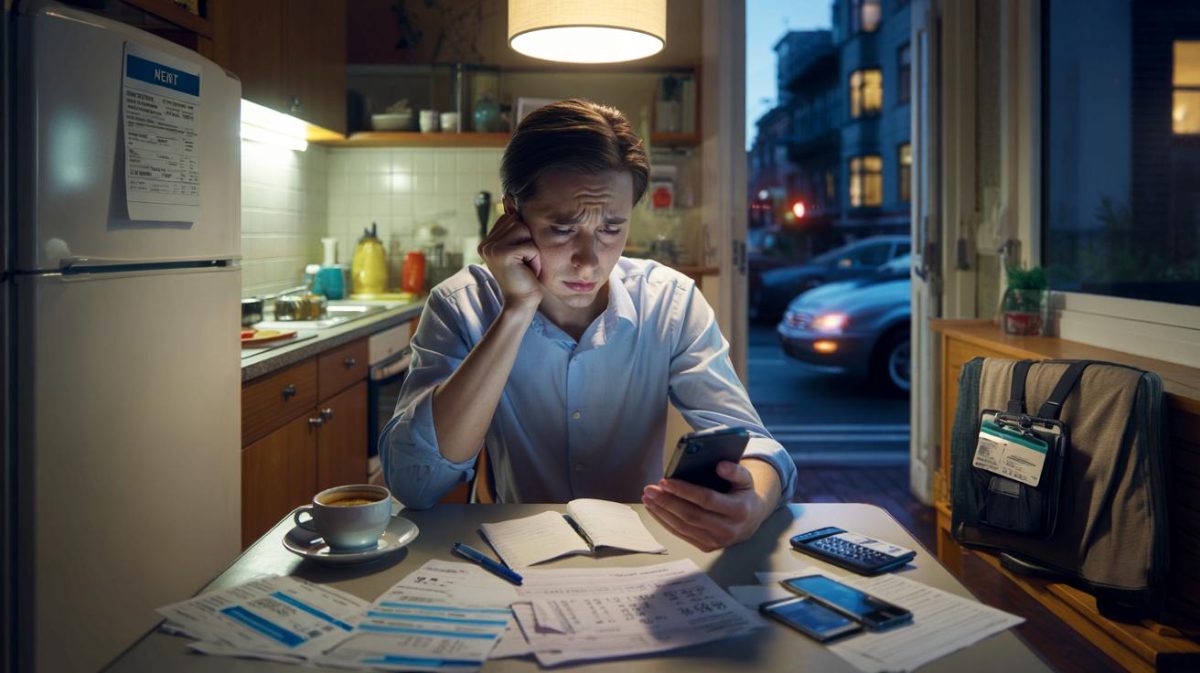
The first time I noticed it was on a Tuesday evening, standing in my kitchen with my jaw clenched so tightly my head hurt. The day had been a mess of back-to-back meetings, delayed emails, and small fires that never quite went out. I hadn’t eaten much, but it wasn’t hunger that bothered me. It was this buzzing under my skin, a kind of internal alarm that wouldn’t shut up.
I caught myself standing perfectly still, shoulders up to my ears, barely breathing.
Not shallow breathing. Practically no breathing at all.
That’s when it clicked: I wasn’t just stressed. I was holding my breath every time something demanded my attention. And my body was quietly paying the price.
The stress habit your body notices, even when you don’t
There’s a small, almost invisible habit many of us share when life speeds up. We stop breathing properly. Not dramatically, not like we’re suffocating, but in short, tight sips of air that never quite fill the lungs.
You might notice it when you’re focused on a screen, waiting for a text, or jumping between tabs at work. Jaw tight, shoulders raised, chest barely moving. Then you suddenly take a big, loud inhale, as if your body is reminding you it exists.
This isn’t just a quirk. **It’s a pattern your nervous system quietly memorizes.**
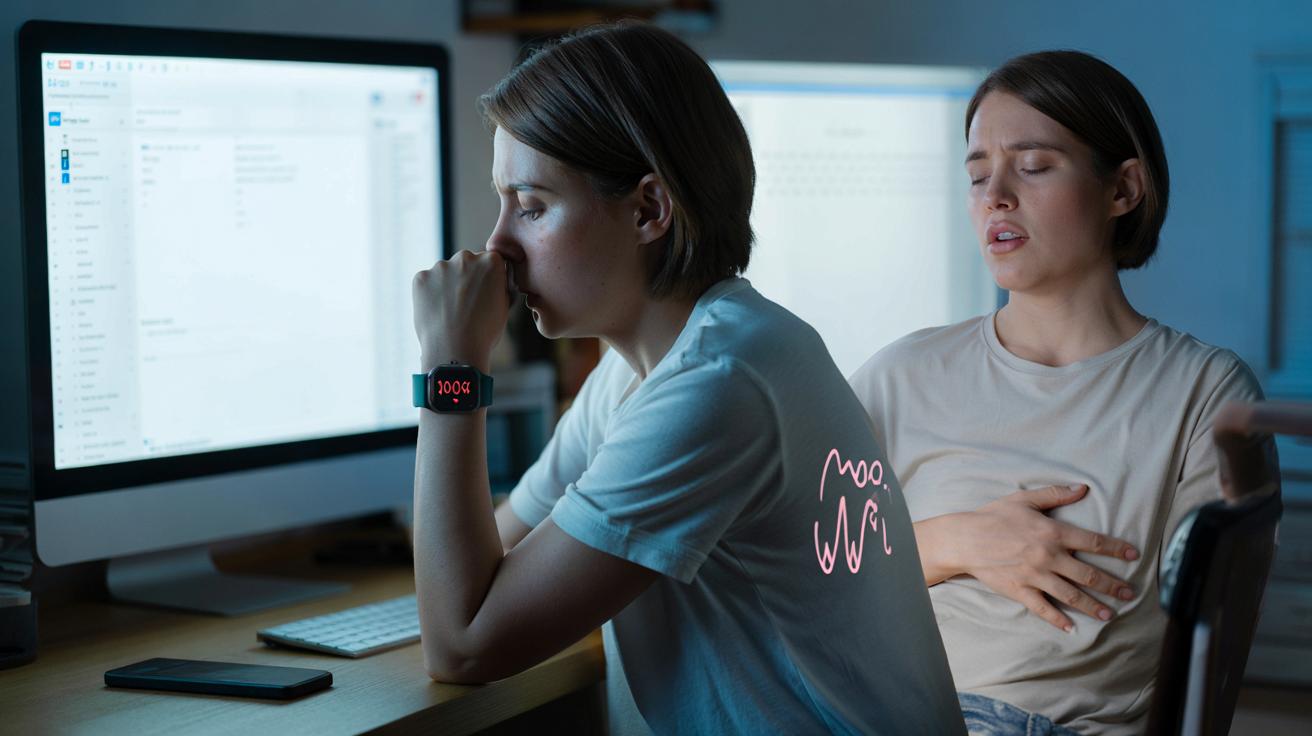
A UX designer I spoke with, Lisa, noticed it first through her smartwatch. Her heart-rate alerts kept going off during “quiet” tasks: sending invoices, answering Slack messages, proofreading.
She wasn’t running late. She wasn’t arguing with anyone.
Still, her heart was racing. When she started paying attention, she realized that just before the spike, she would hold her breath while reading an email or switching apps. Every tiny stressor pulled her lungs tighter, like someone slowly turning down the volume on her breathing.
➡️ This overlooked routine explains why weekends feel exhausting
➡️ This habit makes expenses feel justified even when they aren’t necessary
➡️ “I observed my garden early every morning” and spotted stress before damage appeared
➡️ “I stopped cleaning blindly once I learned where dirt really settles”
➡️ Feeling emotionally “on call” all the time has a clear psychological origin
➡️ “I stopped cleaning randomly and finally felt in control of my home”
➡️ This is the easiest way to keep shoes looking new longer
➡️ This trick helps reduce mental clutter without journaling
By late afternoon, she felt wrung out. Not from what she did, but from the way her body was constantly bracing.
This habit has a name: email apnea, or more broadly, screen apnea. It’s the tendency to pause or shallow your breath when you’re focused or tense.
When you do this, your body reads it as a threat signal. Less oxygen, more CO₂, faster heartbeat, higher blood pressure. Cortisol trickles out, your muscles brace, and your digestive system quietly moves to the background.
Do it once, nothing dramatic. Do it hundreds of times a day and your body starts living in a low-grade emergency mode. **Not because the world is on fire, but because your breathing says it is.**
How to retrain your body’s stress response, one breath at a time
The good news is that the habit cuts both ways. If your breath can drag you into stress, it can also lead you out. Not with mystical rituals, just simple, consistent patterns that tell your nervous system, “We’re safe.”
One method that keeps showing up in research and real life is something called physiological sighing. You take a normal inhale through the nose, then a quick second sip of air on top, and exhale slowly through the mouth. Two-stage inhale, long exhale.
Do that two or three times and your heart rate starts to drop. Not from willpower, but from your lungs talking directly to your brainstem. *It’s like giving your body a tiny manual override button.*
Most people try this stuff only when they’re already overwhelmed, then declare it “doesn’t work.” They wait until their nervous system is a tornado, then expect three breaths to fix a decade of tension.
There’s a quieter way to use it. Tie it to moments you already live every day: when your computer is loading, when the kettle starts to boil, right after you hit “send” on a difficult message. One or two physiological sighs. That’s it.
Let’s be honest: nobody really does this every single day by memory alone. You need hooks. Tiny reminders that breathing is part of the task, not a wellness extra.
“Breathing is the only stress tool you’re already using 20,000 times a day. The shift is not doing more of it, but doing it on purpose a few times,” says a clinical psychologist I interviewed who works with burnt-out professionals.
- Micro-breath breaks: Before opening any “loaded” email, take one double inhale and a long exhale.
- Posture check moments: Every time you touch your phone, drop your shoulders and soften your jaw.
- Transition rituals: After finishing a meeting or task, take three slow belly breaths before starting the next thing.
- Screen boundary rule: No scrolling while holding your breath. If you notice tightness, put the device down for 30 seconds.
- Night reset: Spend five minutes breathing slowly into your lower belly before sleep, as if you’re inflating a balloon under your ribs.
What changes when your breathing stops fighting you
Something subtle happens when you stop treating your lungs like background noise. Your days don’t get less busy, but your body stops reacting to every ping and notification like a car alarm.
People who start paying attention to this overlooked habit often notice that their “random” headaches, jaw pain, and mid-afternoon crashes soften first. The stressors are still there. The grip around them loosens.
You might discover that arguments end sooner, because your voice no longer comes out thin and rushed. Or that your evenings feel longer, because your system isn’t wasting all its energy bracing against invisible threats.
This isn’t about becoming a serene, unbothered version of yourself who never snaps or spirals. That’s not real life. There will always be mornings where you drink cold coffee over a crowded inbox and only realize at noon that your shoulders are somewhere near your ears.
The shift is more modest, and more radical. You start catching yourself. You notice the held breath, the clenched teeth, the tight chest. Then you give your body another script to follow, one long exhale at a time.
You realize your stress level isn’t just about what happens to you. It’s about the way your own breathing keeps score.
None of this needs to be perfect. Some days you’ll remember, some days you won’t, and some days the best you can do is one slow breath before you collapse into bed.
But once you’ve seen the link between your tiny breath holds and your huge waves of tension, it’s hard to unsee. Your body has been whispering about this habit for years through tight muscles, racing thoughts, and that wired-but-tired feeling at 11 p.m.
The question now is simple, and strangely intimate: the next time stress walks into the room, what story will your breath tell about you?
| Key point | Detail | Value for the reader |
|---|---|---|
| Hidden habit: breath holding | Short, unconscious pauses in breathing during emails, scrolling, and focused work | Helps explain why you feel exhausted or wired even on “normal” days |
| Physiological sigh method | Two-stage nose inhale, long mouth exhale, repeated a few times | Quick, science-backed way to calm the nervous system without special tools |
| Built-in daily cues | Linking breaths to actions like sending emails or switching tasks | Makes stress regulation automatic instead of another chore on your to-do list |
FAQ:
- How do I know if I’m holding my breath when stressed?Notice if you often sigh loudly, feel lightheaded at your desk, or realize you’re clenching your jaw while staring at a screen. These are common signs you’ve been breathing too shallowly or pausing your breath without realizing it.
- Can changing my breathing really affect my stress hormones?Yes. Slow, controlled breathing activates the parasympathetic nervous system, which can lower heart rate and blood pressure and help regulate cortisol over time.
- How often should I practice physiological sighing?Start with two or three cycles whenever you feel a spike of tension, and sprinkle it into your day at natural pauses: before calls, after emails, or while waiting for something to load.
- What if deep breathing makes me feel dizzy or anxious?Go gentler. Reduce the depth of your inhales, lengthen your exhale slightly, and do fewer rounds. If discomfort persists, talk with a healthcare professional before continuing.
- Do I need a special app or device to track my breathing?No. Apps can help you remember, but simple cues like sticky notes, calendar reminders, or pairing breaths with daily habits are usually enough to create real change.