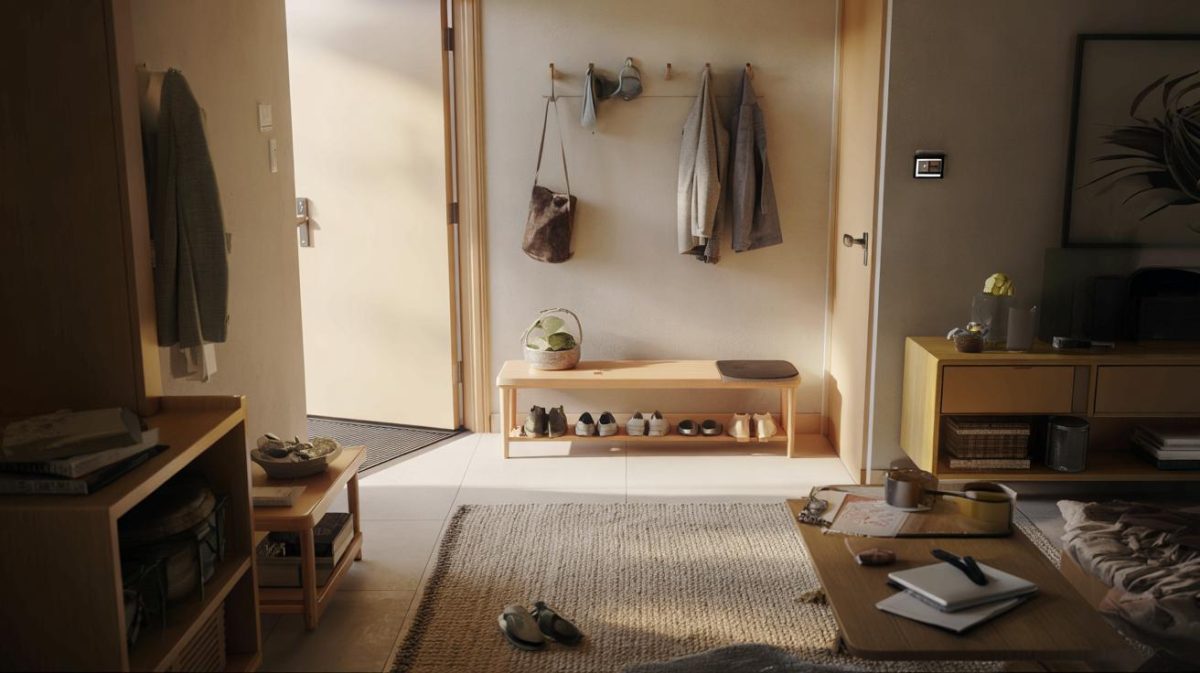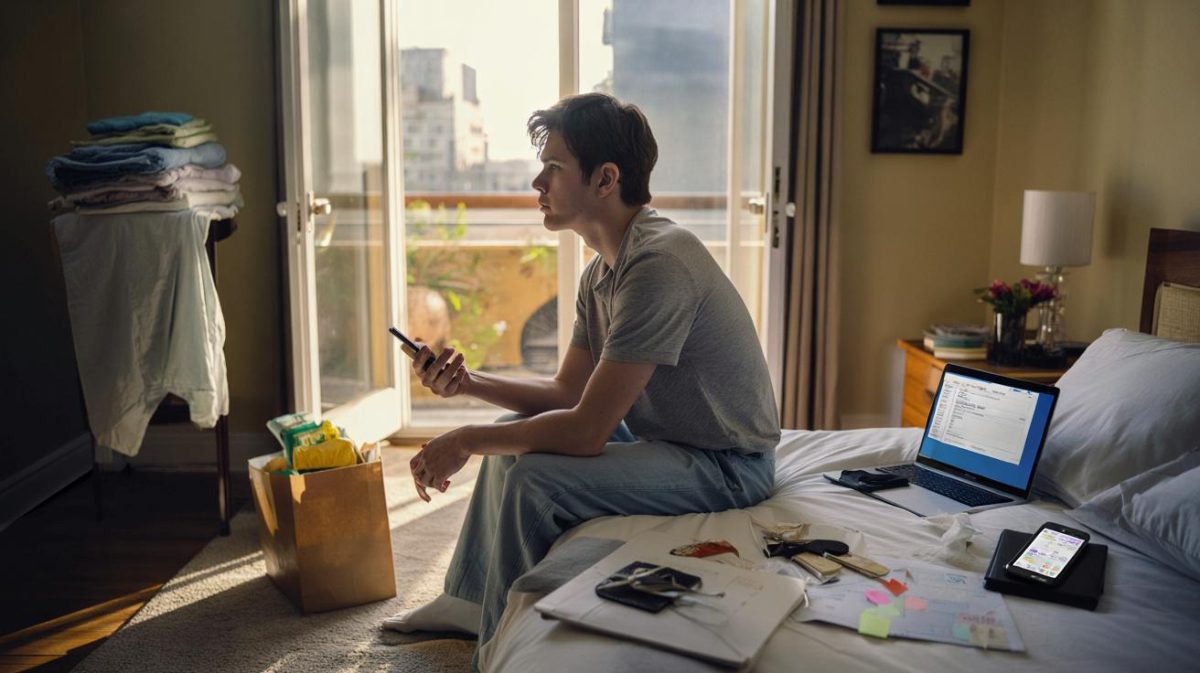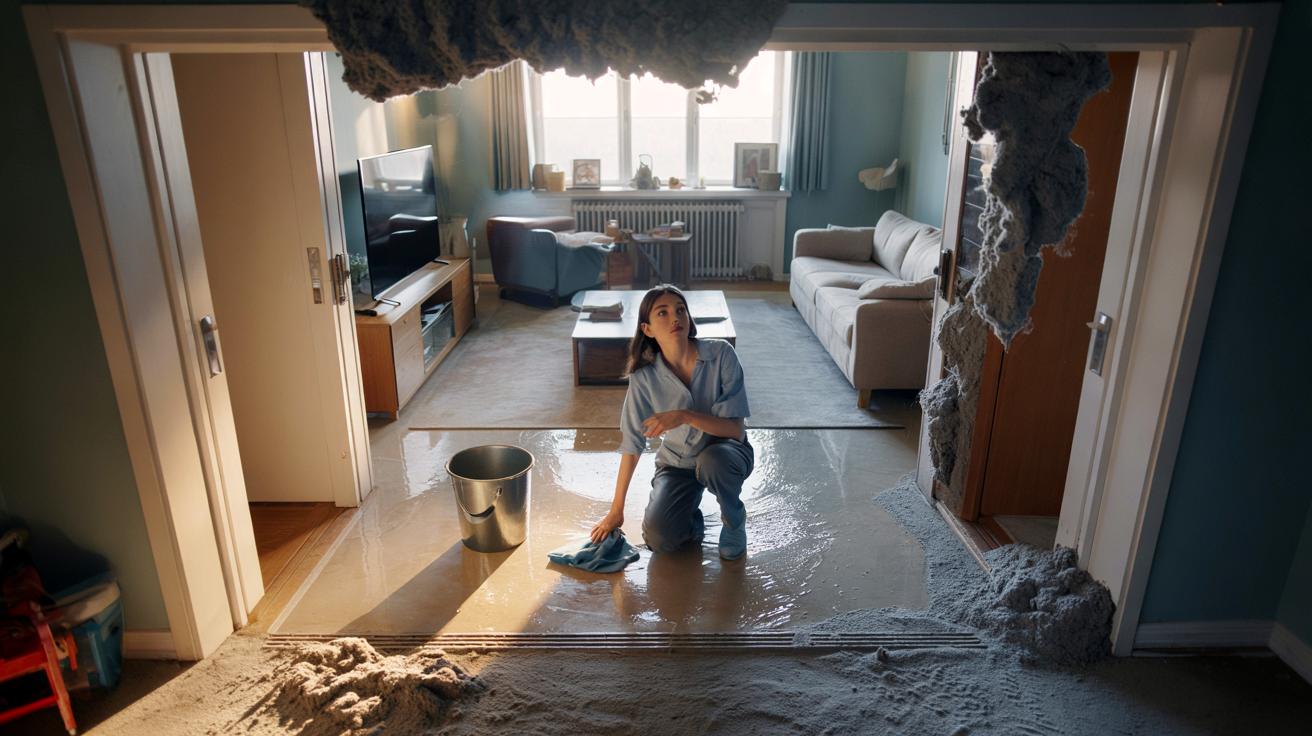
The day I realized my home wasn’t actually “dirty” but just dirty in the wrong places, I was on my knees scrubbing the hallway for the third time that week.
The tiles were already shining, my back hurt, and yet the air still felt… dusty. Stuffy. Slightly grimy.
I’d spent an hour chasing the dirt I could see, while the dirt that really mattered was sitting quietly in places I never touched.
A friend came over, glanced at my spotless floor, then casually ran a finger along the top of my door frame. Her finger came back grey. I stared, stunned, like I’d just seen behind the curtain of a magic show.
From that day, I stopped cleaning blindly and started hunting where dirt actually lives.
Everything about my routine changed.
Where dirt really hides when you think everything is “clean”
There’s a cruel illusion in housework: the cleaner something looks, the more we obsess about it.
Floors, sinks, mirrors – they get all the attention, all the products, all the energy.
Yet most of the grime that affects how we breathe, sleep and feel is quietly building up somewhere else.
On the tops of cabinets, around vents, behind radiators, along baseboards, in the folds of curtains and under sofa cushions.
We wipe where the eye goes first, not where the dirt actually settles.
Once you notice this gap, your entire idea of a “clean home” starts to wobble a little.
The turning point for me came one Sunday when I decided to move the couch.
Not to clean – just to plug in a charger.
What I discovered looked like the aftermath of a small indoor storm. Dust bunnies, crumbs from snacks I’d forgotten I’d eaten, a stray earring, a hair band, three pens, and something that might once have been a piece of popcorn.
I remember sitting back on my heels and laughing, half horrified, half relieved to finally see the truth.
We’ve all been there, that moment when you lift a rug or open an old drawer and realize your cleaning routine has been politely avoiding the real battle.
➡️ “I stopped cleaning randomly and finally felt in control of my home”
➡️ Psychology explains why emotional responses may appear long after decisions are made
➡️ This easy oven recipe is one I come back to again and again
➡️ “I felt financially anxious despite earning $72,000 a year”
➡️ Psychology reveals why certain people feel overwhelmed by kindness instead of comforted by it
➡️ People who feel emotionally alert at rest often expect interruption
➡️ This simple cleaning boundary changed how my home feels
➡️ This trick helps reduce mental clutter without journaling
Once you understand how dust behaves, the picture gets clearer.
Dirt doesn’t fall evenly like rain; it travels like gossip.
It clings to surfaces with a bit of static, rides air currents from open windows and heating vents, and settles on horizontal, untouched areas: lamp shades, picture frames, the top edge of doors.
Textiles trap it too – throw pillows, blankets, stuffed toys, the fabric on dining chairs.
*The spots you rarely touch are usually the ones that need you the most.*
That simple fact flipped my priorities: less mopping what already shines, more targeting the invisible reservoirs that quietly feed the mess you keep chasing.
The method that stopped me from cleaning blindly
My first real change wasn’t buying a new product.
It was grabbing a notebook.
I walked from room to room and wrote down only the “forgotten” zones: behind appliances, above cupboards, window tracks, skirting boards, under beds, ceiling fans, door frames, the coils at the back of the fridge.
No floors, no sinks – they were already on autopilot.
Then I split those hidden spots over four weeks, one small cluster per week.
Suddenly I had a map instead of a vague sense of guilt and dust.
That list became my anti-blind-cleaning guide.
I didn’t clean more. I just cleaned where it actually changed something.
The second shift was more psychological than practical.
I had to stop chasing the “photo-ready” look and start accepting the “better air, less dust” look.
So I set myself a rule: each time I clean something obvious, I pair it with one invisible place.
Wipe the bathroom sink, quickly run a cloth along the top of the mirror.
Vacuum the living room, take two minutes to vacuum under the sofa cushions.
Let’s be honest: nobody really does this every single day.
Life gets busy, you get tired, and yes, some weeks the dust wins.
The goal isn’t perfection.
It’s shifting the habit just enough that your energy finally lands where it counts.
The third thing that helped was hearing how other people quietly hacked their cleaning without bragging about it on social media.
One older neighbor told me something I still think about when I’m tempted to scrub the same shiny spot again:
“Clean the places your lungs care about first, not the places your guests see first.”
So I built myself a tiny, non-overwhelming “lungs-first” checklist and stuck it inside a cupboard door:
- Dust high, then low: top shelves, door frames, then baseboards.
- Hit fabric zones weekly: cushions, throws, curtains (shake, brush, or vacuum).
- Open and wipe window tracks and vents once a month.
- Pull big furniture slightly forward twice a month and vacuum that hidden strip.
- Give electronics and cables a quick dust to reduce that sticky grey film.
These aren’t heroic tasks.
They’re just the quiet ones that most of us skip for years.
Living in a home that’s clean where it really matters
Something subtly shifts when you clean based on reality instead of habit.
The air feels lighter, your nose is less stuffy in the morning, rooms smell “neutral” rather than artificially perfumed.
You stop waging war on the same stains and start building a quiet truce with your space.
There’s less frustration, fewer marathon cleaning days, and more small wins that you can actually feel.
You might still have a mug on the coffee table or a jacket on the chair.
Life remains life.
But the underlying layer – the dust, the hidden grime, the sticky corners – no longer runs the show behind your back.
And that’s the strange, calming part: once you see where dirt really settles, you can’t unsee it.
You just start living with your eyes a bit more open.
| Key point | Detail | Value for the reader |
|---|---|---|
| Target hidden zones | Focus on tops of doors, cupboards, vents, under furniture, fabrics | Reduces dust load and improves comfort without extra hours of cleaning |
| Create a simple map | List forgotten areas by room and spread them across the month | Gives structure, lowers overwhelm, and stops “blind” cleaning |
| Pair visible + invisible | Each obvious task (floor, sink) is paired with one hidden spot | Builds sustainable habits and keeps dirt from accumulating silently |
FAQ:
- Question 1Where does the most dust usually settle in a typical home?
- Question 2How often should I clean those hidden spots like door frames and window tracks?
- Question 3Is it better to deep-clean once a month or do small hidden areas every week?
- Question 4What tools really help reach those forgotten places without buying a ton of gadgets?
- Question 5How do I start changing my routine if I already feel behind on “normal” cleaning?