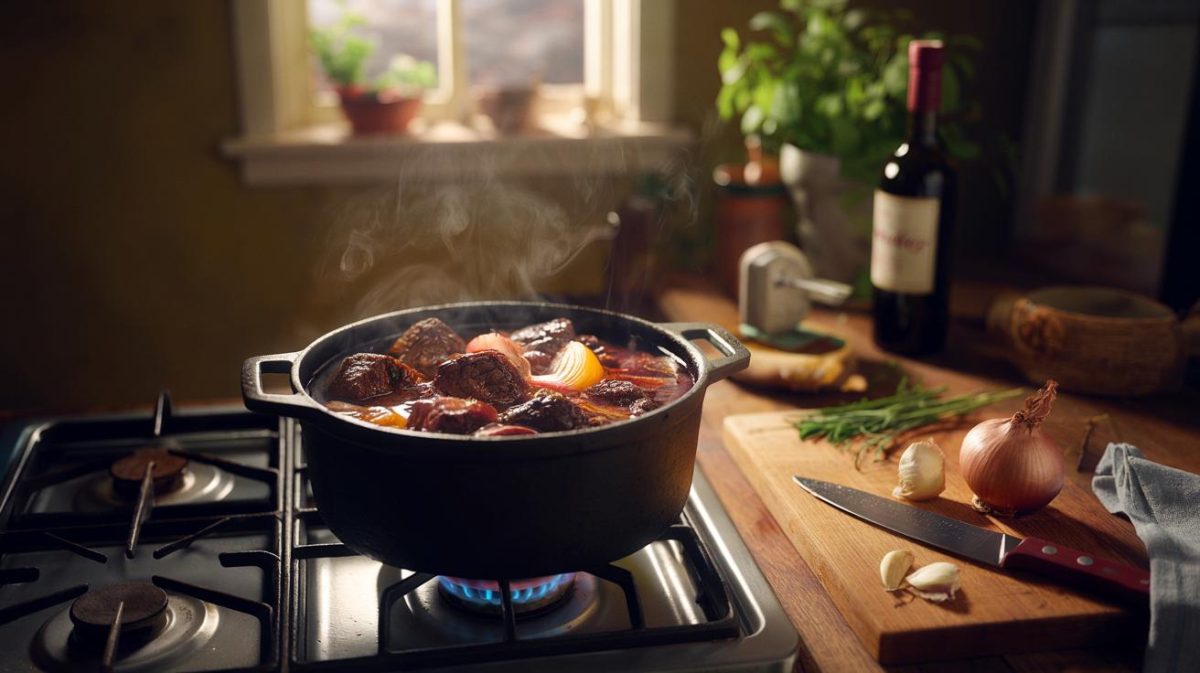
The first spoonful shut me up.
I was standing in my tiny kitchen, still in work clothes, one shoe off, one shoe on, tasting a sauce I fully expected to “fix” the way I always do. A pinch of this, a squeeze of lemon, a dramatic sigh, and then a new round of tweaks. That’s my usual dinner routine: half-cooking, half-negotiating with the pan.
This time, though, the cream-coated spoon hit my tongue and… nothing in my brain complained. No inner critic. No “maybe more salt.” No late dash for hot sauce. Just warmth, silkiness and a quiet, deep “yes.”
I actually went back in for a second spoonful, not to check, but to believe.
I had cooked a creamy dish and, for once, didn’t feel the need to adjust it.
That tiny silence in my head felt huge.
The night the pan finally stopped arguing back
We’ve all been there, that moment when you lean over the stove, taste your dinner, and feel a flicker of disappointment. The sauce is flat, the cream is heavy, something is “off”, but you can’t say what. So you start playing kitchen DJ: more salt, extra garlic, maybe some chili flakes.
By the time the food hits the table, you’ve used six spoons and your appetite is mostly curiosity. Will this be good or just… rescued? That night, though, I stirred a simple creamy chicken skillet, took a cautious taste, and the usual spiral never started. The flavor was balanced from the first try, like the recipe had quietly aligned with my life.
The dish itself was almost embarrassingly simple. A few chicken thighs, seared until golden. A shallot, sliced thin. A splash of white wine, scraped into all those brown bits at the bottom of the pan. Then a generous pour of cream, garlic, black pepper, and a squeeze of Dijon.
No twelve-step reduction, no fancy stock, no five-herb combination only food writers pretend to use midweek. The sauce thickened, clung to the spoon, and sent up tiny puffs of steam that smelled like a restaurant you wander into by accident and then never forget. I remember thinking, “This can’t be it. There has to be something missing.” But the pan stayed quiet.
Looking back, the surprise wasn’t magic. It was math and a little bit of self-honesty. Fat from the cream and chicken. Salt from seasoning at the right time. Acid from the wine and mustard. Umami from the browned bits at the bottom.
What changed that night was less the recipe and more my sense of balance. I wasn’t chasing a mythical “perfect flavor” anymore. I was chasing something that simply felt complete on my own tongue. *That’s when creamy dishes stop being heavy mistakes and start being small acts of comfort.*
➡️ How to remove pet hair from carpets without special tools
➡️ Feeling emotionally “on call” all the time has a clear psychological origin
➡️ The budgeting mistake people make after paying off debt
➡️ “I stopped cleaning blindly once I learned where dirt really settles”
➡️ This trick helps reduce mental clutter without journaling
➡️ If you struggle to unwind after screens, this eye-relief trick helps
➡️ Psychology explains why emotional clarity can appear suddenly, without effort
➡️ “I felt financially anxious despite earning $72,000 a year”
The quiet method behind a confident creamy dish
Here’s what actually happened behind that so-called miracle: I seasoned earlier, not louder. I salted the chicken before it hit the pan, then let the heat do part of the work. When the meat browned, the smell told me I was building a base deeper than any last-minute fix could provide.
Then came the deglazing. A small splash of wine hissed and lifted the sticky golden layer from the pan. I scraped slowly with a wooden spoon, watching the liquid darken. Only after that did I pour in cream, on low heat, letting it warm up gently instead of boiling into chaos. The sauce thickened in lazy circles, not frantic bubbles. My only real “technique” was patience.
Most of us try to rescue creamy dishes right at the end, when the sauce is already thick, bland, or oddly sweet. We toss in random things: too much lemon, a last-minute cube of stock, a handful of cheese that turns everything into paste. It comes from a good place, that urge to fix. You’re tired, you want dinner to feel worth the effort.
The irony is that the fewer panic moves you make at the end, the better the result. Let’s be honest: nobody really does this every single day. Some nights we eat crackers over the sink. So when you do stand at the stove, you deserve a dish that doesn’t require drama at the last minute.
That night, when I tasted the sauce and didn’t want to change a thing, a sentence ran through my head like a caption on a photo.
“Balance isn’t about finding the perfect recipe, it’s about knowing when to stop stirring.”
It sounds poetic, but it breaks down into a few concrete moves that keep creamy dishes from spiraling out of control:
- Salt the base ingredients early, not the sauce at the end.
- Brown something first: onions, mushrooms, meat, even just garlic.
- Add one clear source of acidity (wine, lemon, mustard, vinegar), not three.
- Keep the heat gentle once cream is in the pan.
- Taste once before you reach for the spice drawer.
As small as they seem, those steps build a sauce that already knows who it is, before you even taste it.
When a recipe stops being a recipe and becomes a habit
Since that evening, I’ve cooked variations of that creamy pan dinner so many times I’ve lost count. Sometimes it’s chicken, sometimes mushrooms and spinach, sometimes just pasta swirled straight into the sauce. What sticks with me isn’t the exact ingredient list, but the feeling of not having to fight with the food at the end.
A quiet confidence settles in once you hit that point a few times. You start trusting your nose when the onions are ready, your eyes when the sauce coats the back of a spoon, your tongue when a single taste feels round and finished. The need to correct everything eases off. You stop punishing your cooking for not being “restaurant-level” and start letting it simply be dinner, on a Tuesday, in your real life.
| Key point | Detail | Value for the reader |
|---|---|---|
| Build flavor early | Season the protein, brown it well, and deglaze before adding cream | Reduces the need for frantic last-minute fixes |
| Balance fat, salt, and acid | Use cream for richness, salt in stages, and one clear acidic note | Produces a sauce that tastes “complete” from the first spoonful |
| Know when to stop | Taste once, adjust lightly, then trust the dish as it is | Less stress, more enjoyment, and repeatable weeknight cooking |
FAQ:
- Question 1Why do my creamy sauces always taste bland?
- Question 2Can I skip the wine and still get good flavor?
- Question 3How do I stop my cream from splitting?
- Question 4Is heavy cream the only option?
- Question 5What’s one simple creamy dish to start with?