You probably know this tiny heartbreak. You buy a fresh pair of white sneakers, walk out of the store feeling like a new person… and three days later they already look a bit tired. A grayish line on the sole, a mystery stain on the toe, the laces no longer crisp. You notice it in the elevator or under the harsh lights of the subway. Your “new” shoes suddenly feel like they’ve skipped straight to the “old favorite” stage.
Then you catch someone else with sneakers that always look box-fresh and you wonder: are they buying a new pair every month, or do they know a trick the rest of us ignore?
The answer is much simpler than you think.
The real reason your shoes age so fast
Most shoes don’t die from wear. They die from neglect.
Not dramatic neglect, just tiny, everyday laziness: kicking them off without untying the laces, leaving them in a damp hallway, wearing them in the rain and tossing them in a corner. Day after day, those micro-abuses flatten the foam, crack the leather and stain the fabric.
The funny thing is, the shoes that look “new” for months are rarely the most expensive, they’re just the ones that are treated with quiet, boring respect.
Think of that colleague whose sneakers always seem suspiciously pristine at 8 a.m. on a Monday. I once asked a designer friend about his spotless white pair that he’d been wearing for over a year. He laughed and said, “I don’t baby them. I just don’t punish them.”
He never wore them on stormy days. He rotated them with another pair. When he got home, he actually loosened the laces, slid them off gently and left them to air on a small rack near the door. Once a week, he ran a damp cloth over them while watching a series.
His secret wasn’t a miracle product. It was a tiny ritual, repeated.
From a materials point of view, shoes are under constant stress: sweat, friction, pressure points, temperature changes. Leather dries and cracks if it never gets to rest. Foam compresses permanently if it’s constantly crushed. Glue fails when soaked over and over again.
The visible “aging” we see is often just the surface symptom of deeper fatigue. Give a shoe time to dry, breathe and regain its shape, and it suddenly stops aging so fast. *The gap between shoes that last six months and shoes that last two years often comes down to what happens in the 5 minutes after you take them off.*
The easiest habit: a 30-second reset every time you get home
Here’s the simplest way to keep shoes looking new longer: treat the moment you walk in the door as a tiny care ritual.
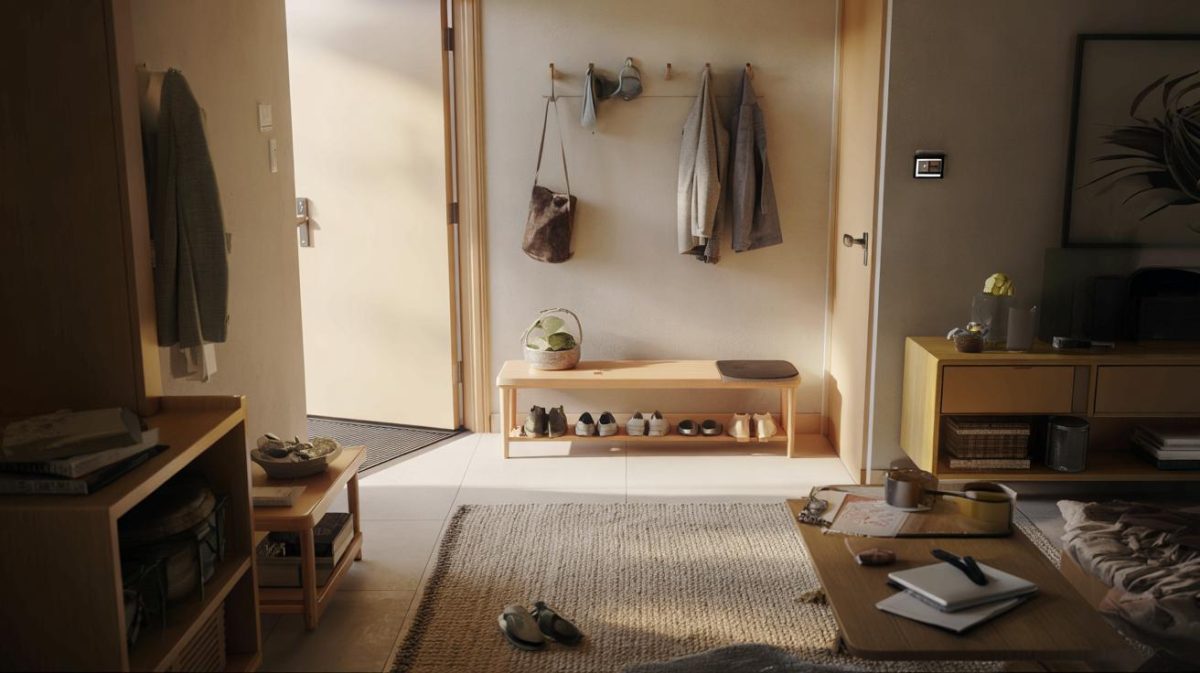
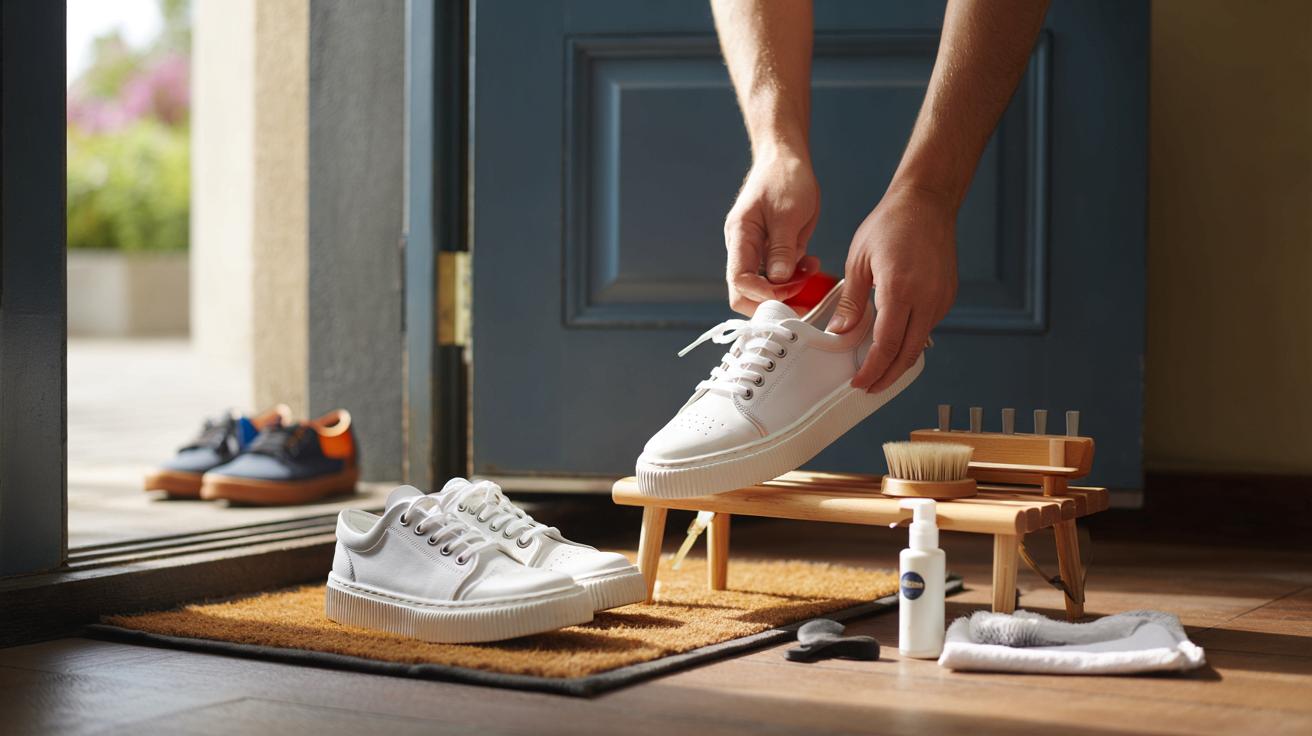
Before you head to the sofa, pause at the entrance. Loosen the laces properly instead of stepping on the heel. Slide your feet out, straighten the tongue and gently tap the soles together outside or over a mat to knock off dust and grit. Then place the pair on a shelf, or at least upright against the wall, with a little space around them.
This 30-second reset lets the interior dry, prevents the heel from collapsing, and stops surface grime from baking in overnight.
Most people don’t do this. We get home tired, drop our bag, flick off our shoes with a lazy kick, and leave them crumpled under a chair or half-buried under a coat. Let’s be honest: nobody really does this every single day.
Yet every time you crush the heel to slip out faster, you’re bending the structure in exactly the same weak spot. Every time you leave damp shoes in a heap, sweat has no way to evaporate and odors build. Dust settles in folds, turns into dark marks and “aging” that feels inevitable.
Those 30 seconds at the door are boring. They’re also exactly where the magic happens.
Once you’ve got the entrance ritual, you can add a few very light touches without feeling like a shoe-obsessed maniac. A quick wipe of the soles with a damp cloth every few days keeps that ugly gray border from forming. A soft brush run over suede or canvas once a week lifts dirt before it stains.
As one sneaker restorer told me:
“I don’t sell miracles. I sell people back the time they lost by skipping basic care.”
For a simple, low-effort routine, think in tiny boxes:
- Entrance reset: untie, straighten, air them
- Drying: 24 hours of rest between wears if possible
- Quick clean: damp cloth on uppers and soles once a week
- Deodorize: sprinkle baking soda or use cedar shoe trees overnight
- Protect: light spray of protector on leather/suede every few weeks
One or two of these habits already change everything.
➡️ How to remove pet hair from carpets without special tools
➡️ If your house never feels fully tidy, this hidden cause is often responsible
➡️ “I cook this dish slowly because rushing it never works”
➡️ This habit makes expenses feel justified even when they aren’t necessary
➡️ People who feel emotionally alert at rest often expect interruption
➡️ I cooked this creamy dish and didn’t feel the need to adjust it
➡️ Psychology reveals why certain people feel overwhelmed by kindness instead of comforted by it
➡️ “I stopped cleaning blindly once I learned where dirt really settles”
When “good enough” care is all you really need
There’s a hidden freedom in accepting you don’t need to be perfect with your shoes. You don’t have to memorize every cleaning tutorial on the internet or buy a drawer full of fancy creams. Most pairs only ask for three things: don’t crush them, don’t soak them, don’t store them in a dark, damp pile.
From there, you can choose your own level of effort: maybe you rotate two pairs for work, keep one pair for bad weather, and give each shoe a little moment of attention once a week.
The real shift comes when you stop seeing this as “maintenance” and start seeing it as a way of extending that new-shoe feeling.
| Key point | Detail | Value for the reader |
|---|---|---|
| Daily 30-second reset | Untie laces, remove gently, tap off dirt, let shoes air upright | Keeps structure intact and prevents dirt from setting in |
| Rotation and rest | Avoid wearing the same pair two days in a row when possible | Reduces odor, moisture damage and premature creasing |
| Light, regular cleaning | Quick wipe and occasional protector spray suited to the material | Maintains a “new” look without heavy, time-consuming routines |
FAQ:
- How often should I clean my everyday sneakers?For normal city use, a quick wipe once a week and a deeper clean once a month is usually enough. If you walk a lot on dusty streets, you can bump it to twice a week.
- Can I really wear the same shoes every day?You can, but they’ll age faster. Giving them at least one full day of rest between wears helps foam, leather and insoles recover.
- Are protective sprays worth it?Yes, especially for suede, canvas and light leather. A light, even spray every few weeks makes stains easier to remove and keeps colors fresh.
- What’s the worst thing I can do to my shoes?Two things: regularly crushing the heel to slip them on and off, and leaving them wet in a closed, dark space like a plastic bag or car trunk.
- Is it okay to put shoes in the washing machine?Only for some fabric sneakers and only occasionally. The spin cycle and heat can weaken glue and deform padding, so gentle hand cleaning is usually safer and longer-lasting.