The kids are finally in bed, the dishwasher hums quietly, and you stand in the middle of the living room with that same nagging thought: “Why does it still look messy?”
The cushions are roughly in place, the floor is more or less clear, the table is wiped. And yet, the space feels… noisy. Visual noise. Things everywhere, nowhere really wrong, but nowhere really right either.
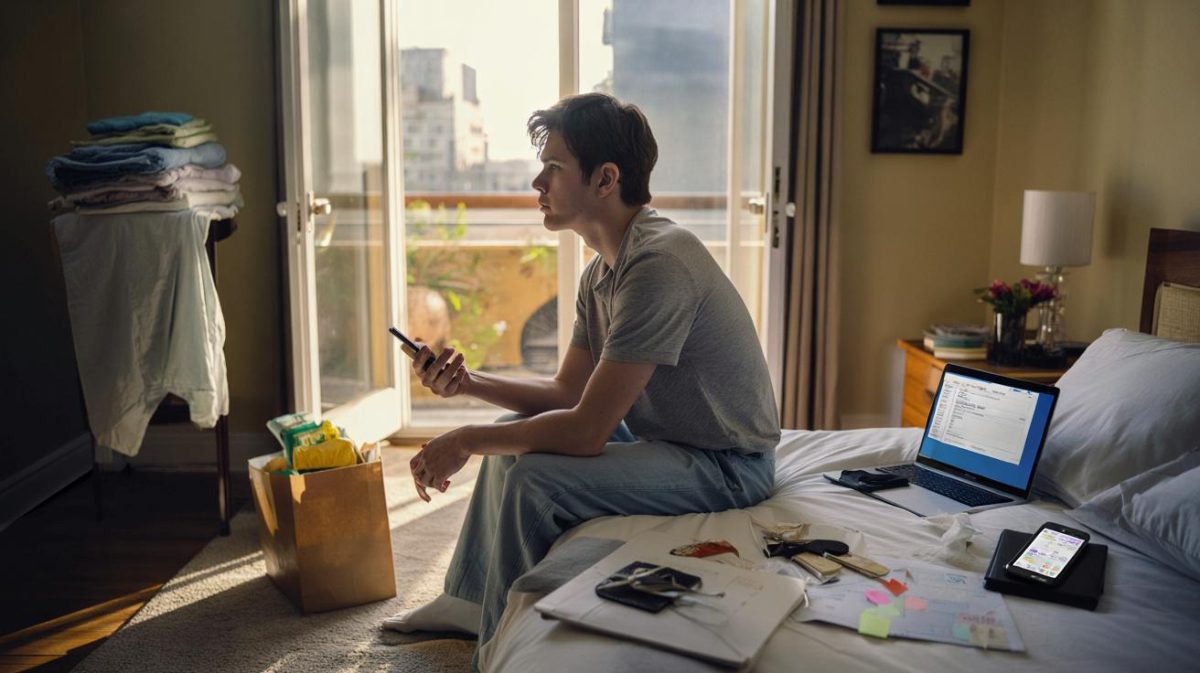
You spot three half-burned candles, a pile of mail, a random charger, two tote bags hanging off a chair. None of it is dramatic. All of it is exhausting.
You’ve cleaned. You’ve decluttered. You’ve donated clothes and reorganized drawers.
So why does your home *never* look fully tidy?
There’s a hidden culprit most of us completely ignore.
The real reason your home never looks finished
Look around any “almost tidy” room and you’ll notice the same pattern: things that don’t have a clear, permanent home.
Not the big clutter, not the overflowing closets. The small, wandering objects that float from surface to surface without ever landing: keys, sunglasses, hair ties, tape measures, reusable bags, charging cables, pens that may or may not work.
The room isn’t dirty. It’s undecided.
Your eyes jump from item to item because nothing tells them, “Yes, this object belongs here.”
That endless, low-level restlessness? It comes from one simple problem: **no defined place for everyday stuff**.
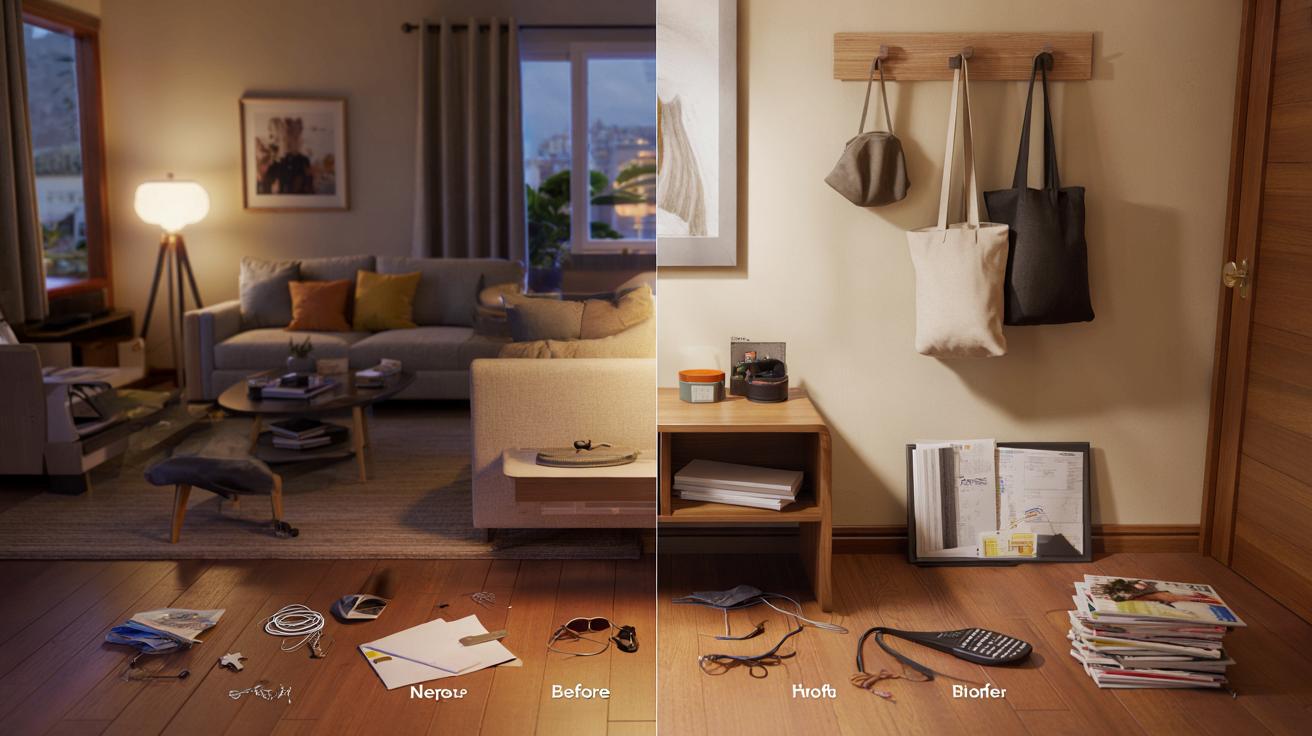
Picture this scene. You quickly tidy before guests arrive. You put the mail “for later” on the console table, slide a basket of random cables under the coffee table, stack some magazines on a chair.
Everything looks better for roughly 25 minutes.
After coffee, someone drops their keys next to the basket. The TV remote rests on the pile of magazines. A hair clip appears from nowhere and lands by the lamp.
Nothing dramatic, but the “just for now” spots start to multiply.
By the next day, the console is full again, the coffee table has layers of “temporary” objects, and that basket is now a black hole of things you don’t want to deal with.
Nothing has a precise address, so everything behaves like a tourist.
Here’s the plain truth: clutter isn’t just “too much stuff”, it’s “stuff without a decision”.
When an item has no clear home, your brain has to renegotiate its fate every single time you touch it. Keep or toss? Here or there? Now or later? You think you’re just dropping keys on the first surface, but your mind is quietly burning through decision fatigue.
➡️ People who feel emotionally complex often notice details others miss
➡️ The budgeting mistake people make after paying off debt
➡️ “At 62, my hands started shaking slightly”: why it wasn’t what I feared
➡️ Psychology reveals why certain people feel overwhelmed by kindness instead of comforted by it
➡️ “I cook this dish slowly because rushing it never works”
➡️ This simple cleaning boundary changed how my home feels
➡️ “I stopped cleaning blindly once I learned where dirt really settles”
➡️ This habit makes expenses feel justified even when they aren’t necessary
Multiply that by 50 small objects in a day and your house starts to feel permanently in-between. Not messy enough to overhaul, not calm enough to rest.
*The hidden cause isn’t your laziness or your schedule. It’s the lack of fixed landing zones for the things you use most.*
Creating “addresses” for your stuff: the method that changes everything
Start with one room you use constantly: the living room, the entryway, or the kitchen.
Walk around and list the items that always end up lying around: keys, bags, chargers, headphones, unread mail, kids’ small toys. Don’t judge, just observe. This is your “homeless items” list.
Then give each category a precise address within that room.
Keys: a small bowl by the door.
Chargers: one clear box in a drawer.
TV remote: a tray on the coffee table.
The goal isn’t perfection, it’s predictability.
The magic moment is when you can say: “This object lives here. Always.”
Most people jump straight to “I need more storage” and buy baskets, boxes, and shelves.
The problem is those baskets become mini-landfills if they don’t have clear rules. A pretty woven basket that holds everything from Lego pieces to mail to phone chargers isn’t storage, it’s chaos with a lid.
You’re not failing at tidying. You’re just skipping the quiet, boring step: deciding what goes where, and what never goes there.
Let’s be honest: nobody really does this every single day. We all have catch-all zones.
The trick is to reduce them to a minimum and give the rest of your stuff strict but simple homes. Your future self will say thank you without quite knowing why.
To make this stick, you need a rule that’s almost embarrassingly simple: “One object, one home.”
No plan B drawer, no “sometimes on the table, sometimes in my bag”. One stable place.
“Tidiness isn’t about cleaning faster,” says a professional organizer I interviewed last year. “It’s about needing to think less. When every item has a clear address, your home resets itself almost on autopilot.”
Now, create a tiny “command center” in the most chaotic area of your home and give it strict roles:
- One tray for keys and wallet
- One vertical file or box for current mail only
- One fixed hook for each bag you use weekly
- One small container for chargers and headphones
- One spot for “today’s pocket clutter” (coins, receipts, lip balm)
Once these are in place, you’ll notice something odd: tidying starts to look more like “putting things back” than “fighting a mess”.
When your home finally starts to feel “done”
There’s a strange peace that appears the day your stuff has real addresses.
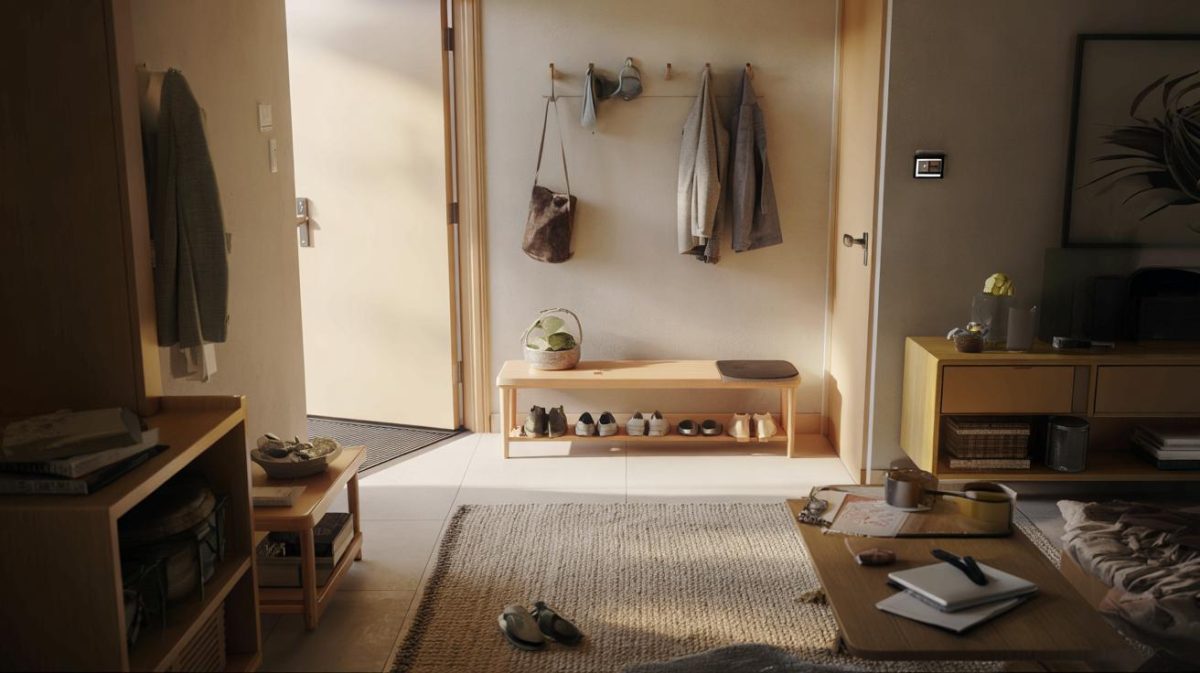
You walk into the hallway, drop your keys in the same bowl without thinking, hang your bag on the same hook, slide the mail into the same file. No mental debate. No “I’ll deal with this later”.
The surfaces stay clearer because they’re no longer a waiting room for indecisive objects.
Your brain stops scanning for “What’s wrong in this room?” and starts accepting a simple idea: “This space is finished for today.”
Not perfect. Finished enough.
You may notice you breathe a little deeper. That you put the remote back in its tray without rolling your eyes at yourself. That you spend five minutes resetting a room, not forty.
A tidy-feeling home is less about deep cleaning and more about small daily decisions you don’t have to make anymore.
You’ll probably still have a junk drawer. You’re human.
But you’ll also have something new: rooms that genuinely feel calm, even when life isn’t. And that changes the way you live inside your own four walls.
| Key point | Detail | Value for the reader |
|---|---|---|
| Give each item a clear “home” | Decide one fixed place for keys, mail, chargers, remotes, bags | Reduces visual clutter and decision fatigue every day |
| Create a small command center | Tray, hooks, mail slot, and a container for daily pocket items | Makes tidying feel quick and predictable, even on busy days |
| Limit catch-all zones | Fewer baskets and “just for now” spots, each with strict rules | Keeps surfaces clear so the house finally looks and feels truly tidy |
FAQ:
- Why does my home still look messy even after I declutter?Because decluttering removes volume, but not vagueness. If objects don’t have a precise, consistent home, they drift back onto surfaces and your rooms quickly feel messy again.
- How do I start if my house feels overwhelming?Choose one small “high traffic” zone: the entry, the coffee table, or the kitchen counter. Fix homes for just 5 categories: keys, mail, chargers, remote, and one personal item. Stop there for the day.
- Do I really need specific spots for tiny things like hair ties or pens?Yes, especially for those. Small objects multiply visual noise. One jar for hair ties, one pot for pens, one pouch for makeup or cables already lowers the chaos.
- What if my family never puts things back?Involve them in choosing the “homes” and keep them obvious and easy: open baskets, clear trays, hooks at the right height. The simpler the system, the more likely everyone is to respect it.
- How long until my home feels different?Often within a week if you focus on everyday items. Once keys, mail, tech, and bags have fixed homes, the overall impression of tidiness improves fast, even if the rest is still a work in progress.